
What Are the Biggest Fire Hazards in August? Idaho Businesses Need to Know
You made it through the busiest part of summer. Your business is running, employees are coming and going, equipment is working overtime, and your customers are enjoying the last stretch of warm weather. Then August hits and with it comes dry vegetation, high temperatures, wildfire activity, outdoor events, increased equipment use, and a long list of things that can turn a small ignition into a serious fire.
Book a Call with Hedrick fire protection services at @HedrickServices!
Idaho officials have already warned that 2026 could be a challenging wildfire season, and fire managers continue to emphasize that preventing human-caused fires is critical. Recent fires and closures across Idaho are a reminder that fire danger isn't something happening somewhere else. It can affect your business, your employees, and your community.
Here's what you should be checking before August becomes your biggest fire-safety problem of the year.

What to Do Right Now
- Check your local fire restrictions: Fire restrictions can vary by location and land jurisdiction. Before outdoor burning, recreational fires, or other activities that can create an ignition source, check the current restrictions for your area.
- Inspect your fire extinguishers: Make sure extinguishers are visible, accessible, properly mounted, and free from damage. Don't assume an extinguisher is ready simply because it is hanging on the wall.
- Clear combustible material: Remove dry vegetation, cardboard, trash, debris, and other combustible materials from around buildings, electrical equipment, dumpsters, storage areas, and potential ignition sources.
- Schedule professional fire protection service: August is not the month to discover that your extinguisher, kitchen suppression system, or other fire protection equipment has been sitting in need of service. Have a licensed fire protection professional inspect your equipment and address deficiencies before they become an emergency. https://hedrickfireidaho.com/services
The August Fire Hazards You're Most Likely to Overlook
Many people picture an August fire as a wildfire racing across dry grass. That's certainly a serious Idaho concern, but your building doesn't need to be next to a forest to have a major fire problem.
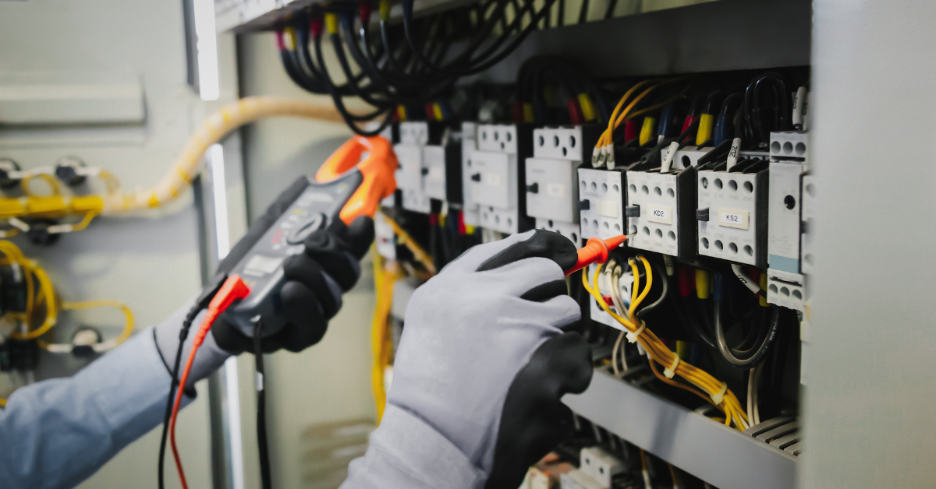
Inside and around commercial facilities, some of the most dangerous hazards are much more ordinary: cooking equipment, electrical equipment, combustible storage, hot work, vehicles, outdoor fires, and improperly maintained fire protection equipment.
The dangerous part is that most of these hazards don't look dangerous until something goes wrong.
Dry Conditions Turn Small Ignitions into Big Problems
It's easy to think that wildfire prevention is mainly a concern for people camping or hiking in the mountains.
In reality, dry conditions can increase the consequences of almost any outdoor ignition. A spark from equipment, a hot vehicle parked over dry vegetation, an improperly extinguished fire, or another ignition source can quickly involve surrounding fuels.
Idaho's 2026 BLM Fire Prevention Order is in effect from May 10 through October 20 and prohibits activities including fireworks, exploding targets, and certain types of ammunition on BLM-managed lands. BLM also specifically recommends precautions such as securing trailer chains, maintaining tires, and clearing campfire areas to bare soil.
The lesson for businesses is simple: August is not the time to treat ignition sources casually.
Keep combustible materials away from ignition sources. Maintain vehicles and equipment. Control outdoor work. And make sure employees know what activities are restricted before they create a fire.
Your Commercial Kitchen Doesn't Get a Summer Vacation
Restaurants and commercial kitchens have a different August problem.
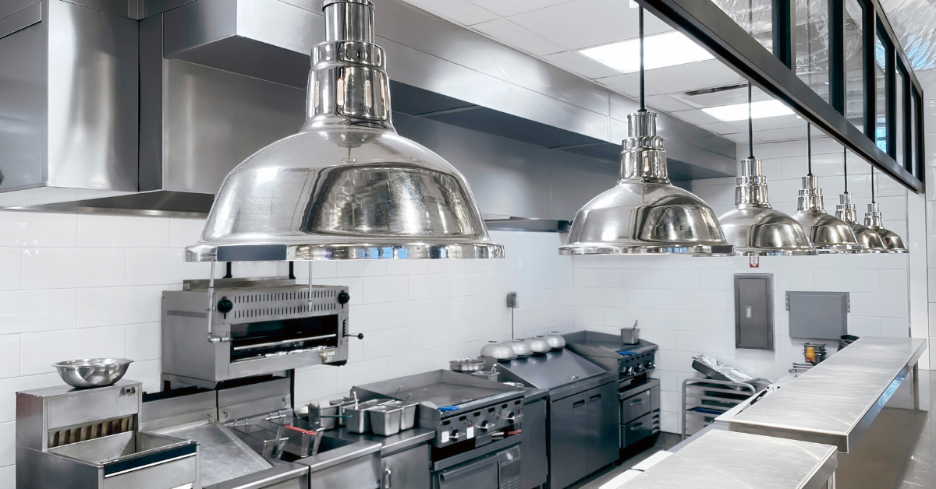
Hot equipment is running. Cooking volumes may increase. Grease and cooking residue accumulate. Employees are busy. And the fire suppression system above the cooking equipment has to work when everything else has gone wrong.
Many business owners assume that because their kitchen suppression system was inspected earlier in the year, they're covered.
That's not how fire protection works.
Commercial cooking equipment creates Class K fire hazards involving cooking oils and fats, which require the appropriate extinguishing equipment and suppression protection. NFPA identifies Class K extinguishers as the type used for grease fires and commonly found in commercial kitchens.
Your kitchen hood, suppression system, nozzles, fusible links, extinguishers, and cooking equipment all have to work together.
If grease buildup, equipment changes, blocked nozzles, or neglected maintenance compromises that system, the problem isn't just a failed inspection.
The problem is that your kitchen may not be protected when a grease fire starts.
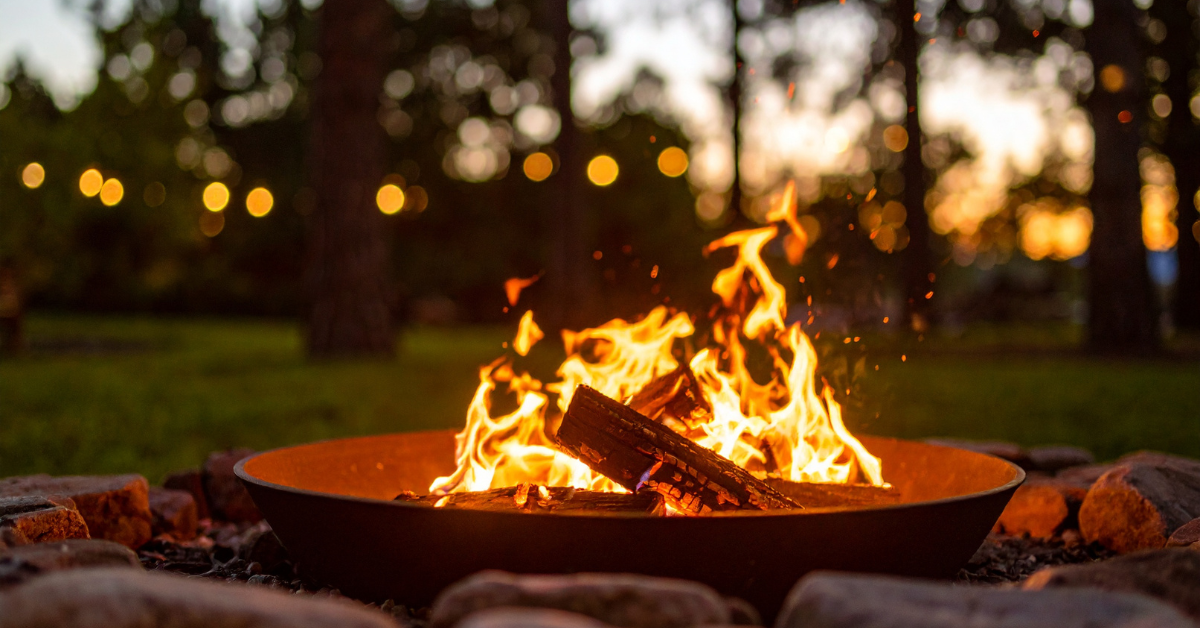
Outdoor Fires Don't Stay Where You Put Them
A fire pit looks controlled. A campfire looks contained. A small outdoor cooking fire seems manageable.
But dry conditions and wind can change the situation quickly.
NFPA recommends checking with local authorities before starting an outdoor fire because restrictions and permits vary by location. It also recommends avoiding outdoor burning during windy, dry conditions and keeping appropriate extinguishing materials nearby.
For Idaho businesses, this matters during employee events, outdoor gatherings, maintenance work, construction, landscaping, and any activity involving an open flame.
A fire that starts outside can threaten vegetation, vehicles, structures, and neighboring properties.
And once it spreads, the question changes from "How did this start?" to "Who is responsible for the damage?"
Fire Protection Equipment Can Become a Hazard When It's Ignored
Here's one of the easiest mistakes to make:
You see a fire extinguisher hanging where it belongs, so you assume everything is fine.
But an extinguisher can be present and still not be ready for an emergency.
It can be discharged, damaged, corroded, improperly mounted, blocked by inventory, or overdue for required maintenance. NFPA 10 establishes inspection and maintenance requirements for portable fire extinguishers, including annual maintenance and periodic internal examination and hydrostatic testing requirements depending on the extinguisher type.
The same principle applies to commercial fire suppression equipment.
Fire protection equipment is not "set it and forget it" equipment.
It needs to be inspected, maintained, documented, and kept accessible.
What Fire Safety Companies Should Be Doing This August
Fire protection professionals have a responsibility beyond simply checking boxes on an inspection report.
August is an opportunity to help customers identify risks before those risks become emergencies.
Fire protection companies should be:
- Looking beyond the equipment: Don't just inspect the extinguisher. Look at the environment around it. Is it accessible? Has the facility changed? Are new hazards present?
- Watching for changes in occupancy and operations: A business may have added equipment, remodeled a kitchen, changed storage practices, or started using new materials since its last inspection.
- Educating customers: Business owners should understand why a deficiency matters, not just that something failed an inspection.
- Documenting deficiencies clearly: If something needs to be repaired, replaced, relocated, or serviced, the customer needs to know what the problem is and what should happen next.
- Encouraging proactive service: The worst time to discover a fire protection problem is during an actual fire.
This is the difference between simply maintaining fire equipment and building a real fire protection strategy.
Idaho's Current Fire Conditions Make Prevention Personal
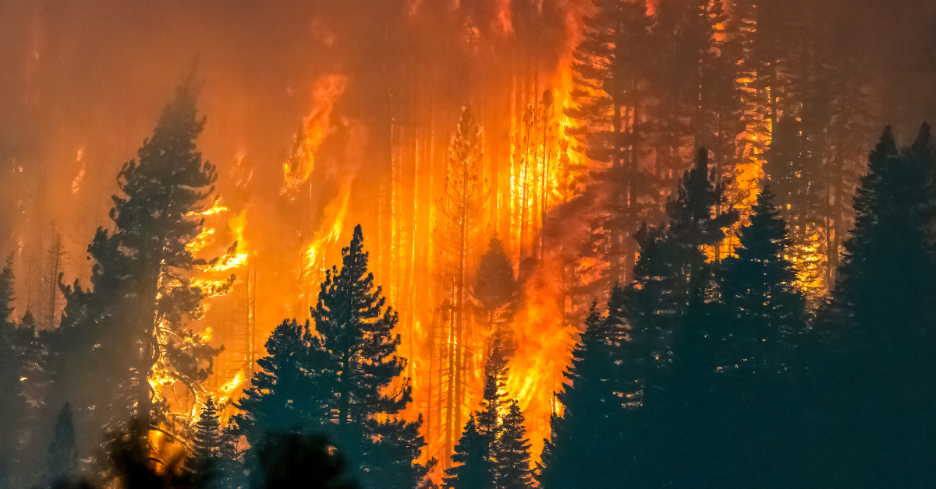
The recent Idaho fire season has already demonstrated why prevention matters.
In July, the Bureau of Land Management temporarily closed portions of public land around the Tartar Fire in Idaho, with the closure scheduled to remain in effect through August 17. Earlier in July, the BLM also implemented closures in the Boise Foothills related to the Claremont Fire.
These aren't abstract warnings.
When fires grow, communities can lose access to recreation areas, businesses can face smoke and operational impacts, emergency resources become stretched, and property can be placed at risk.
And Idaho officials have been direct about one important point: individual responsibility matters.
Governor Brad Little emphasized in June that preventing human-caused wildfires remains critical as Idaho enters the heart of fire season.
That means everyone has a role — homeowners, business owners, employees, property managers, contractors, event organizers, and fire protection professionals.
LIABILITY WARNING:
Fire protection requirements don't disappear because it's summer. Applicable NFPA standards, local fire codes, and requirements from the Authority Having Jurisdiction (AHJ) still apply to your facility and its specific hazards. A neglected deficiency can leave your business exposed to property damage, operational shutdowns, insurance complications, and significant liability after a fire.
Don't Wait Until August Becomes an Emergency
You don't need to predict exactly where the next fire will start.
You need to make sure your facility is prepared when something goes wrong.
When you bring in Hedrick Fire Protection, our technicians can inspect your portable fire extinguishers, perform required maintenance and testing, recharge equipment after use, install and mount extinguishers correctly, and service commercial fire suppression systems. We also provide hands-on fire extinguisher demonstrations and training so your employees understand how to respond when an emergency happens.
Our Eastern Idaho team serves businesses throughout the region from our Idaho Falls location, providing mobile fire protection service directly at your facility.
August is already a high-risk month for fire in Idaho.
Don't add an avoidable fire protection failure to the list.
Are your extinguishers current? Has your facility changed since your last inspection? Have you added equipment, changed storage, or introduced new fire hazards?
Don't risk your business on an assumption. Contact the Hedrick Fire Protection team today to schedule your inspection or fire protection service. https://hedrickfireidaho.com/services