Effective Date: June 8, 2026
Welcome to the website of Hedrick Fire Protection. These Terms of Service ("Terms") govern your access to and use of our website, as well as any communications, requests for quotes, or scheduling of services made through the site or via phone. By accessing our website or contacting us, you agree to be bound by these Terms.
1. Acceptance of Terms
By using this website, submitting a contact form, or calling our business lines, you signify your acceptance of these Terms and our Privacy Policy. If you do not agree to these Terms, please do not use our website or services.
2. Description of Services
Hedrick Fire Protection provides fire extinguisher services in Eastern Idaho, which may include sales, installation, inspections, recharge and refill, and fire safety training. Information provided on this website is for general informational purposes. The actual scope, cost, and terms of any physical services will be governed by a separate, signed service agreement or contract provided prior to the commencement of work.
3. Communications and Call Recording
When you contact Hedrick Fire Protection via phone, email, or through our website, you consent to receive communications from us regarding your inquiry, service requests, and account.
Notice of Recording: Calls to and from our business may be monitored, tracked, and recorded for quality assurance, training, customer service, and marketing analytics purposes. By speaking with our representatives, you consent to such recording and monitoring.
4. User Responsibilities
When interacting with our website or requesting services, you agree to:
- Provide accurate, current, and complete information.
- Ensure you have the legal authority to request services for the specified property.
- Provide our technicians with safe and lawful access to the property to perform scheduled services.
- Not use our website for any unlawful purpose or to solicit others to perform or participate in any unlawful acts.
5. Estimates and Billing
Any quotes or estimates provided via website or phone are preliminary and subject to change based on an in-person assessment of your property and fire protection systems. Payment terms, including deposits, invoicing, and due dates, will be outlined in your official service agreement or invoice.
6. Intellectual Property
All content on this website, including text, graphics, logos, images, and software, is the property of Hedrick Fire Protection or its content suppliers and is protected by intellectual property laws. You may not reproduce, distribute, or create derivative works from this content without our express written permission.
7. Disclaimer of Warranties
While we strive to keep the information on our website accurate and up-to-date, we make no warranties or representations regarding the accuracy, completeness, or reliability of the content. Your use of the website is at your own risk.
Note: Warranties regarding our physical fire protection services and equipment will be explicitly detailed in your individual service agreement.
8. Limitation of Liability
To the fullest extent permitted by law, Hedrick Fire Protection, its officers, directors, employees, and agents shall not be liable for any indirect, incidental, special, consequential, or punitive damages arising out of your access to, use of, or inability to use the website, or any communications with our business.
9. Governing Law
These Terms and any separate agreements whereby we provide you services shall be governed by and construed in accordance with the laws of the State of Idaho, without regard to its conflict of law provisions.
10. Modifications to Terms
We reserve the right to update, change, or replace any part of these Terms at any time by posting updates to our website. It is your responsibility to check this page periodically for changes. Your continued use of or access to the website following the posting of any changes constitutes acceptance of those changes.
11. Contact Information
- Company: Hedrick Fire Protection
- Address: 2890 N Boeing St Unit 4D, Idaho Falls, ID 83401
- Email: ar@hedrickfireprotection.com
- Phone: (208) 541-7700


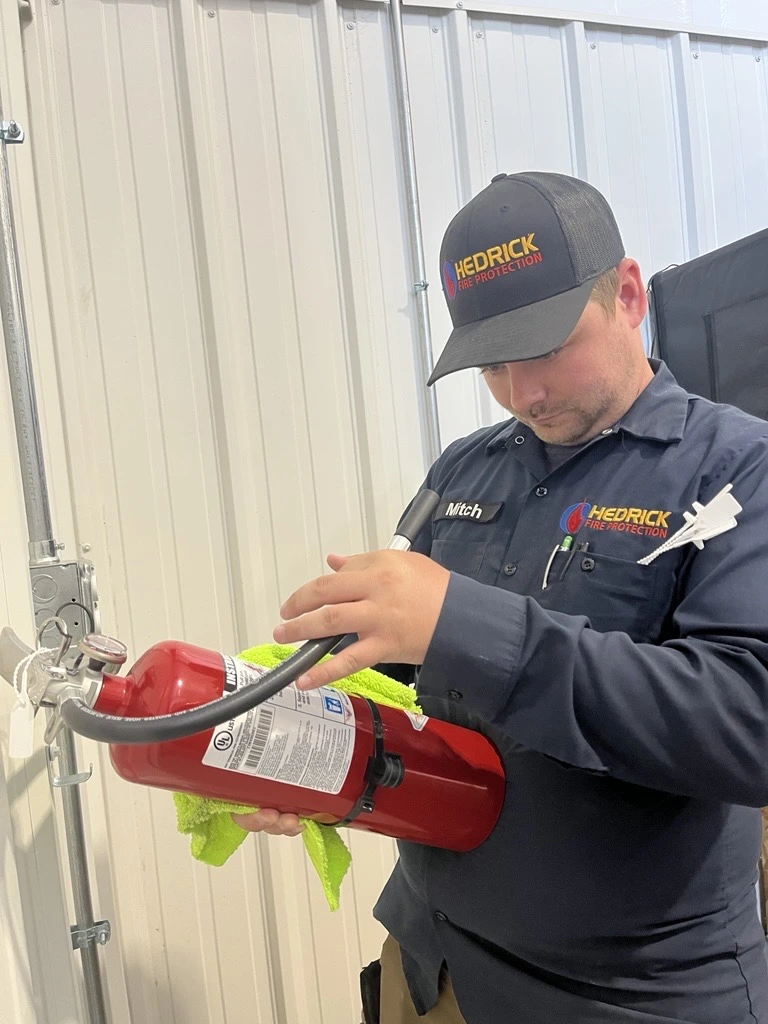 Annual Inspection
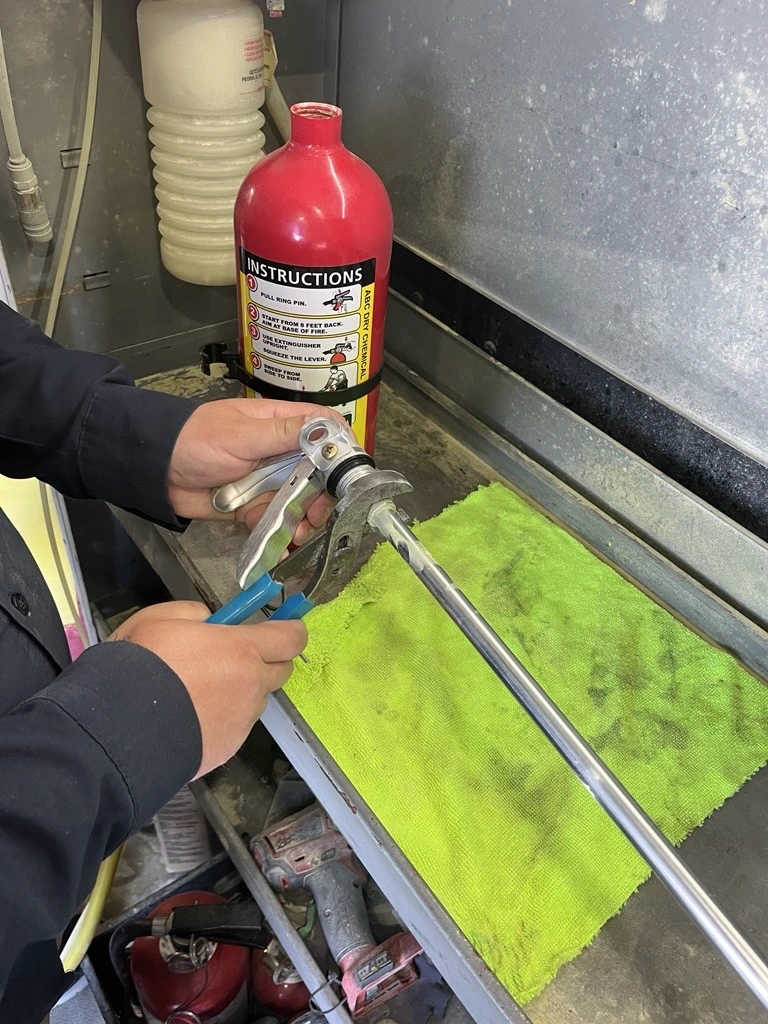 6-Year Service
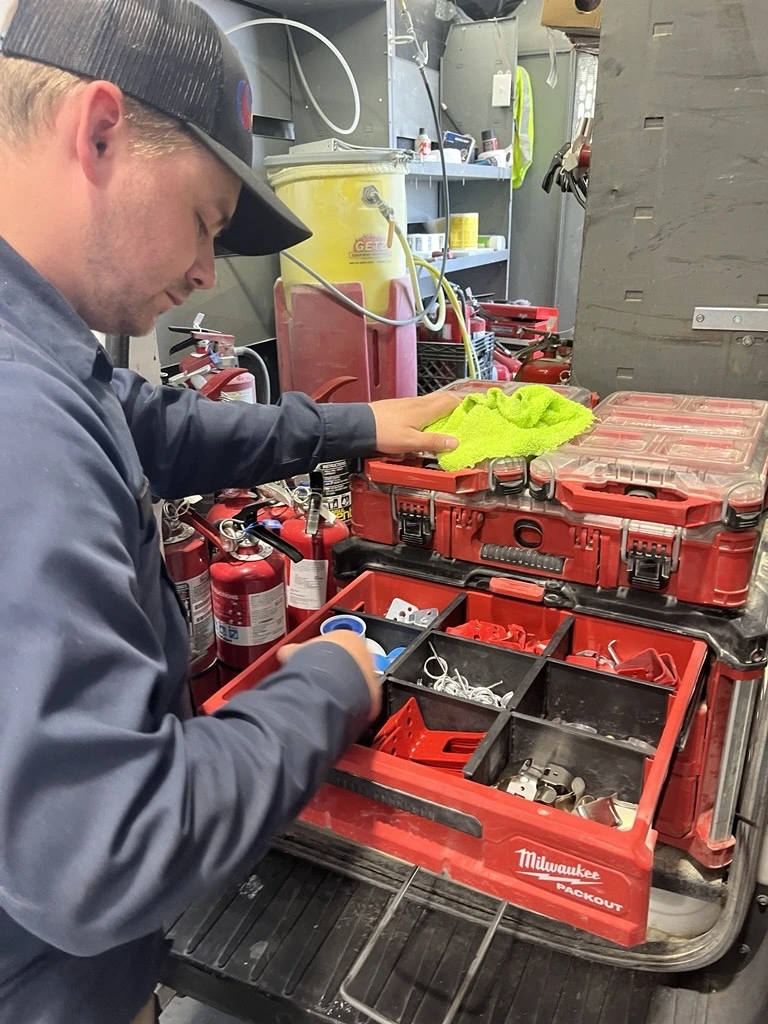 12-Year Hydrostatic Test
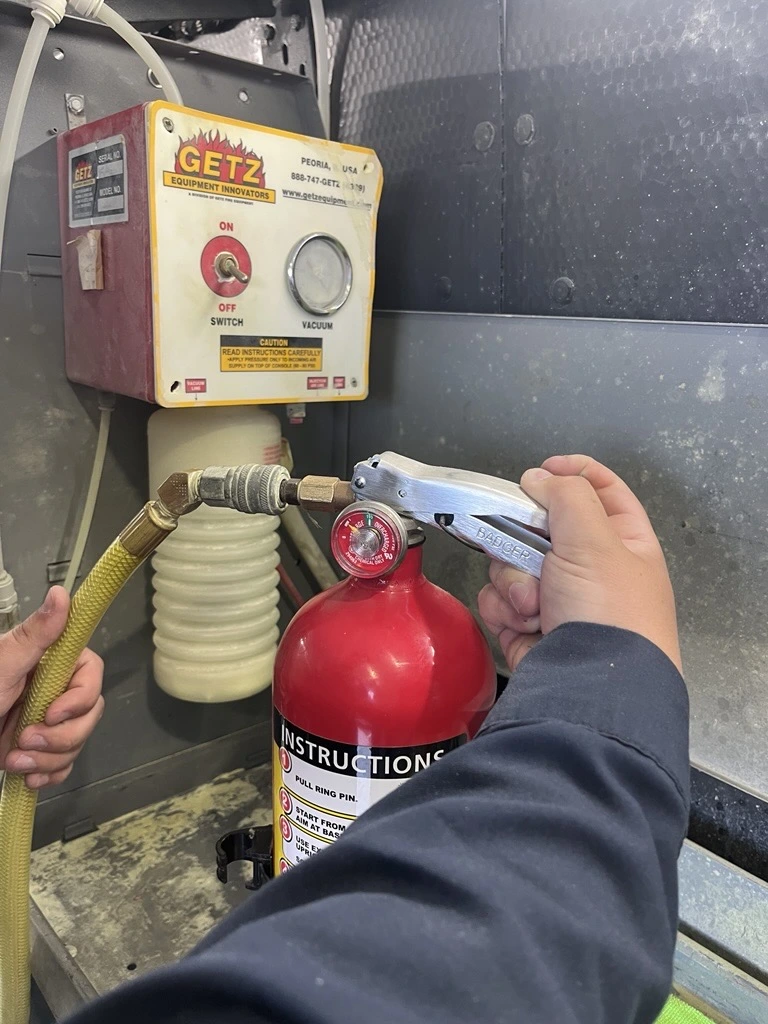 Recharge and Refill
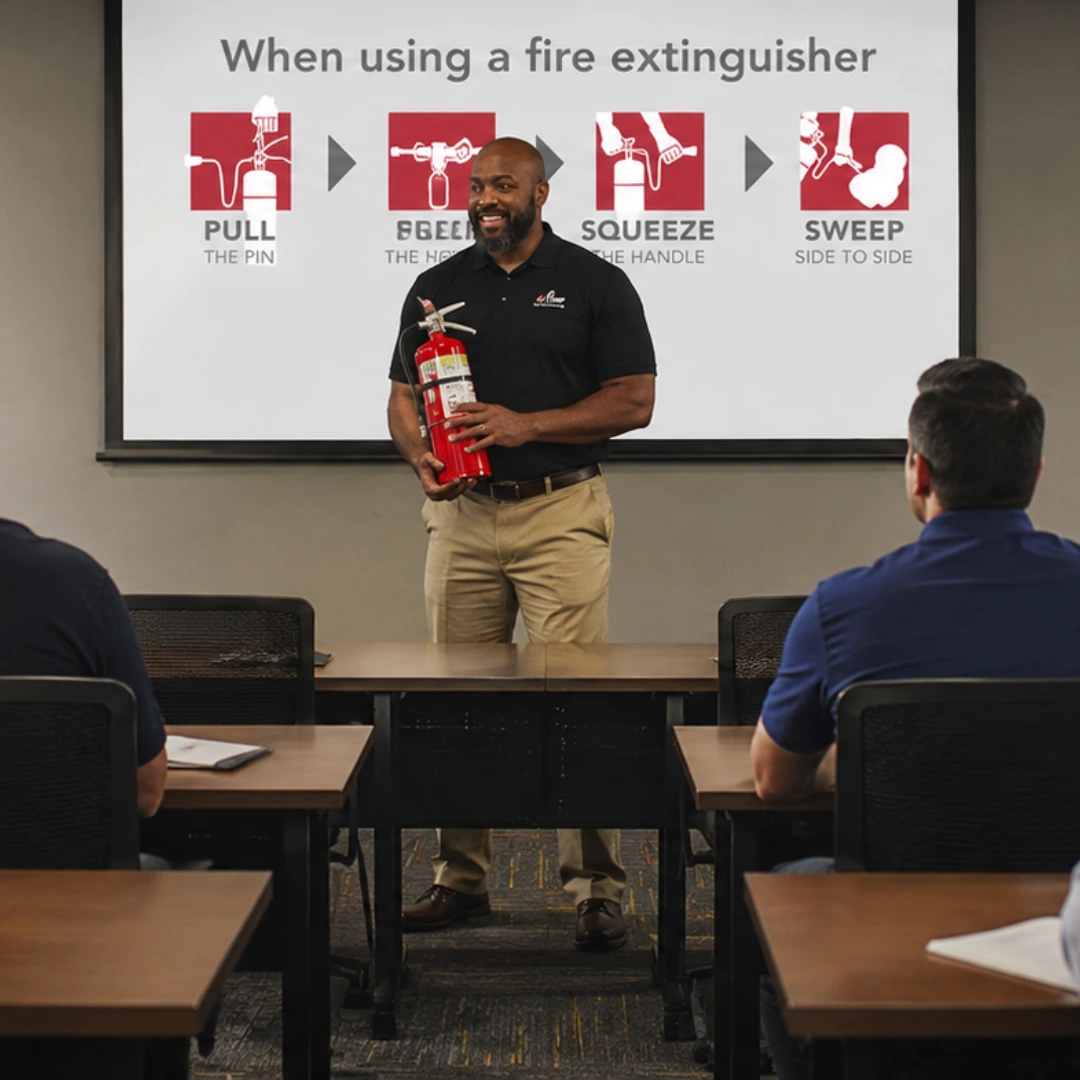 Demos and Training
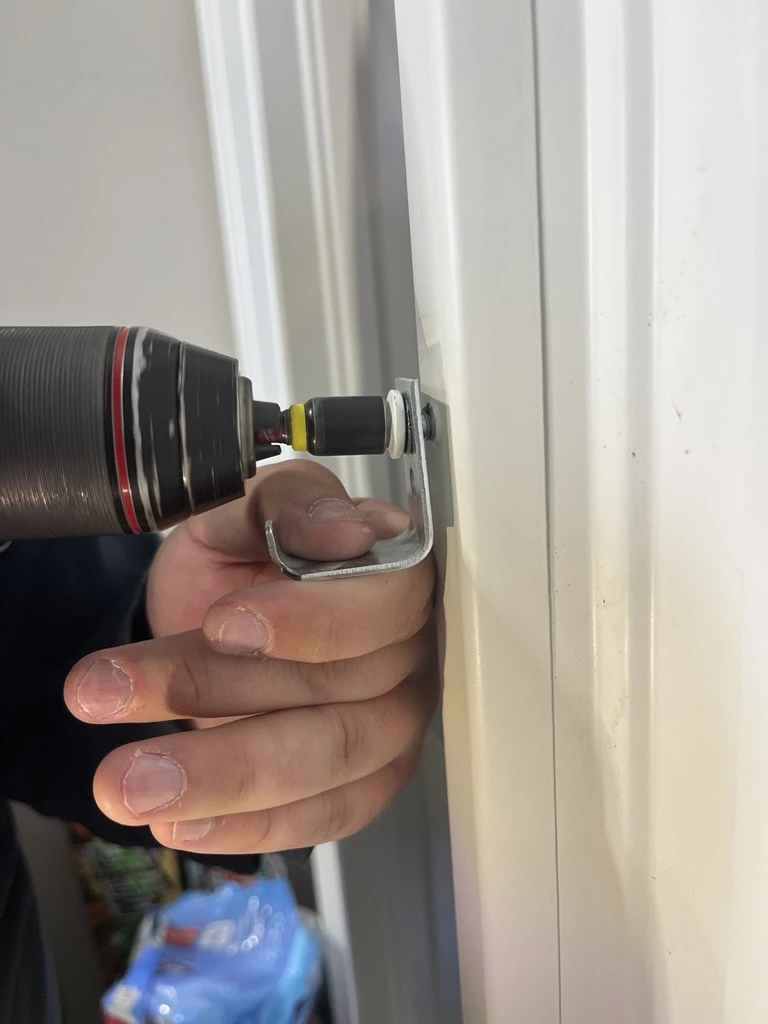 Extinguisher & Cabinet Mounting