
.png)
Securing Industrial Deep Fat Fryers in Idaho Food Processing Facilities
Idaho is the undisputed center of American potato and agricultural processing. From Boise to Twin Falls, massive food manufacturing plants operate around the clock to process raw harvests into frozen fries, hash browns, and prepared foods. At the absolute center of these high-volume operations is the industrial deep fat fryer.
Book a Call at @hedrickServices!
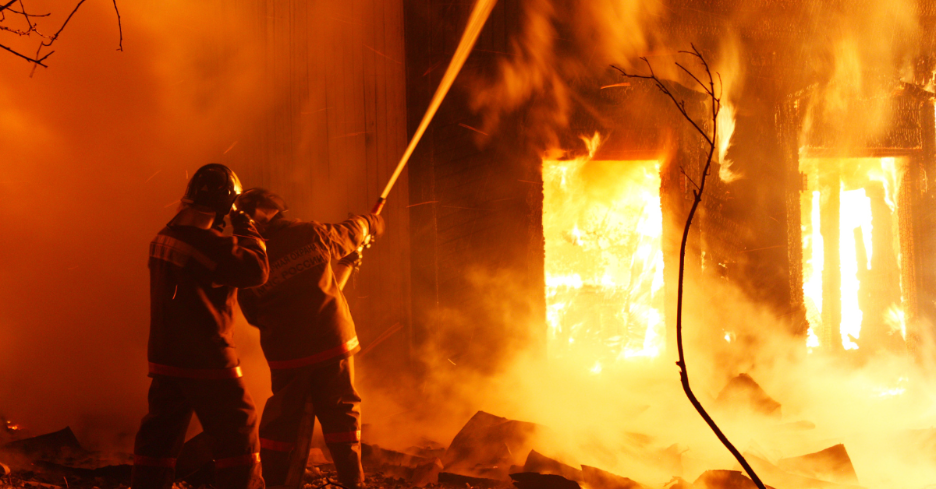
These units are not standard restaurant appliances. They are massive, continuous flow vats containing hundreds of gallons of cooking oil. If a fire breaks out in a vat of this magnitude, you are not just looking at a ruined dinner rush. You are looking at a catastrophic facility fire that will shut down your production lines, trigger massive insurance liabilities, and threaten the lives of your plant workers. Protecting these industrial units requires specialized, heavy duty suppression infrastructure. Here is exactly what plant managers need to audit right now to secure their extreme hazard zones.

The Auto Ignition Threat
Industrial fryers rely on heavy duty thermostats and sensors to keep the oil well below its auto ignition temperature. However, the relentless pace of harvest season processing pushes equipment to its absolute breaking point. If a primary thermostat fails during a continuous shift, the heating elements will simply stay locked in the "on" position.
Have question about Different fire extinguisher services? Call Us Today!
Once cooking oil reaches approximately 600 degrees Fahrenheit, it will spontaneously combust without needing a spark or an open flame. When hundreds of gallons of oil auto ignite simultaneously, the resulting thermal load is explosive. Your facility must have redundant, highly calibrated mechanical heat detectors hardwired directly into your main fire control panel to cut fuel and trigger suppression the second a temperature spike is detected.

Industrial Scale Saponification
Protecting an industrial processing line requires a fundamentally different engineering approach than outfitting a standard commercial kitchen. A basic restaurant suppression system is completely inadequate for a massive industrial fryer.
You need high volume, specialized wet chemical systems designed specifically for industrial food manufacturing. These robust systems must deliver massive quantities of Class K extinguishing agent directly onto the hazard zone. The chemical agent is formulated to instantly saponify the boiling oil. Saponification is a chemical reaction that violently turns the top layer of the burning liquid into a thick, noncombustible soapy foam. This foam blanket completely seals off the oxygen supply, smothers the flames, and permanently traps the volatile combustible vapors underneath.
Defending the Exhaust Plenums
The fire hazard in your processing plant does not stop at the surface of the oil. Industrial frying generates massive volumes of vaporized grease that is constantly pulled up into the overhead exhaust plenums. Over time, this creates a highly flammable coating inside your ductwork.
If a surface oil fire reaches the extraction hood, the high velocity drafts will instantly suck the flames deep into your ventilation shafts and carry them straight up to the facility roof. To prevent a localized fire from gutting your entire factory, your suppression infrastructure must include specialized nozzle arrays aimed directly into the deep interior of your exhaust plenums and ductwork.
Secure Your Production Lines Today
You cannot rely on basic retail fire safety equipment to protect heavy industrial manufacturing. Managing a high volume food processing facility in Idaho means taking proactive control of your extreme hazard zones before a mechanical failure occurs.
At Hedrick Fire Protection, our licensed technicians specialize in auditing, upgrading, and servicing industrial scale fire suppression systems. We know exactly what the local Authority Having Jurisdiction (AHJ) and your commercial insurance carriers require. Whether your plant is located in the Treasure Valley or the Magic Valley, contact the experts at Hedrick Fire Protection today to schedule a comprehensive industrial hood inspection and keep your production lines running safely.