
.webp)
Protecting Your Idaho Farm: Fire Safety Tips Every Farmer Should Know
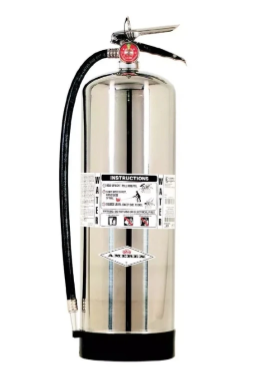
[Product Link] 2.5-gallon Amerex 240 - Water Pressure Fire E | Amerex Fire Safety
Farms are the backbone of Idaho communities, but agricultural properties also face unique fire risks. Dry fields, machinery, barns, workshops, fuel storage, electrical equipment, and livestock facilities can all create conditions where one spark becomes a serious emergency.
The risk is worth taking seriously. [STATISTIC] In 2024, U.S. fire departments responded to an estimated 1.39 million fires, resulting in approximately $19.1 billion in direct property damage.
For Idaho farmers, prevention starts with identifying hazards before an emergency occurs. Here are six ways to better protect your property, equipment, livestock, employees, and livelihood.
Book a fire extinguisher service TODAY Contact Us - Hedrick Fire Protection Idaho

A digital graphic explaining how to book fire extinguisher service in three steps against a light blue background. The steps include calling or emailing, telling what is needed, and showing up at the door with a white service van.
1. Keep the Right Fire Extinguishers on Your Farm
- Fire extinguishers should be readily accessible throughout your property, especially in areas where fires are more likely to start. Consider appropriate extinguishers for:
- Tractors, combines, and agricultural equipment
- Barns and livestock facilities
- Workshops and maintenance areas
- Equipment storage buildings
- Vehicles and trailers
- Areas containing fuel or flammable materials
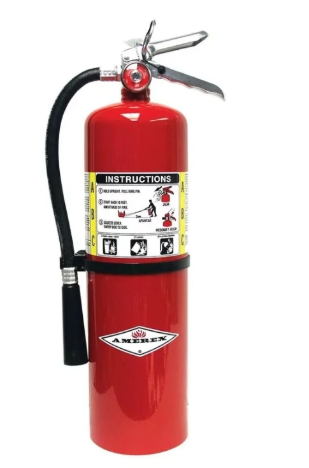
- A multipurpose ABC fire extinguisher can address ordinary combustibles, flammable liquids, and energized electrical equipment. However, the appropriate extinguisher type and size depends on the specific hazard.
- Having an extinguisher isn't enough. It also needs to be accessible, properly maintained, and ready to operate when seconds matter.
hopify Link]
[Product Link] 10LB Amerex B456 - ABC Dry Chemical Fire Exti | Amerex Fire Safety
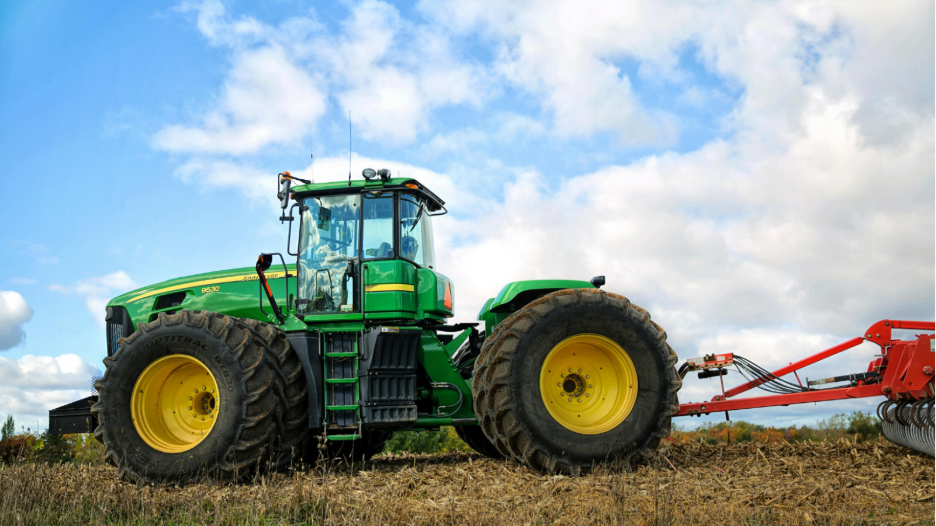
A green John Deere tractor with large yellow wheels is shown in a field, pulling a red agricultural implement under a blue sky with white clouds.
2. Inspect Agricultural Equipment Regularly
Tractors, combines, and other machinery can generate heat, friction, and sparks. Crop residue, dust, chaff, grease, and oil accumulating around hot components can add fuel to a potential fire.
[STATISTIC] The U.S. Fire Administration reports that 18.5% of vehicle fires in 2024 were caused by equipment or heat-source failure. NFPA research also found that 41% of vehicle fires at industrial properties occurred at agricultural facilities, with these fires becoming more common during fall harvest months.
Regularly inspect equipment for fuel or oil leaks, debris buildup, damaged wiring, overheating components, worn belts or bearings, and exhaust system problems.
Cleaning machinery and repairing problems early can help prevent a small mechanical issue from becoming a major loss.
A scenic landscape photograph of a golden wheat field under a pastel sunset sky with pink, purple, and blue clouds.
3. Be Extra Careful During Idaho's Dry Seasons
Idaho's dry vegetation and agricultural land can allow fire to spread rapidly once it starts. That makes summer and harvest-season fire prevention particularly important.
[STATISTIC] Nationally, 302,000 brushes, grass, and wildland fires were reported in 2024, according to NFPA. Another 79,500 outside fires involved property of value such as crops, timber, and outside storage.
[STATISTIC] More recently, the 2026 wildfire season has been especially active. As of September 7, more than 8.3 million acres had burned across the U.S. in 2026, compared with about 4.3 million acres by the same date in 2025.
Avoid parking hot machinery in tall, dry grass, remove combustible vegetation around structures, and keep equipment clean during harvest.
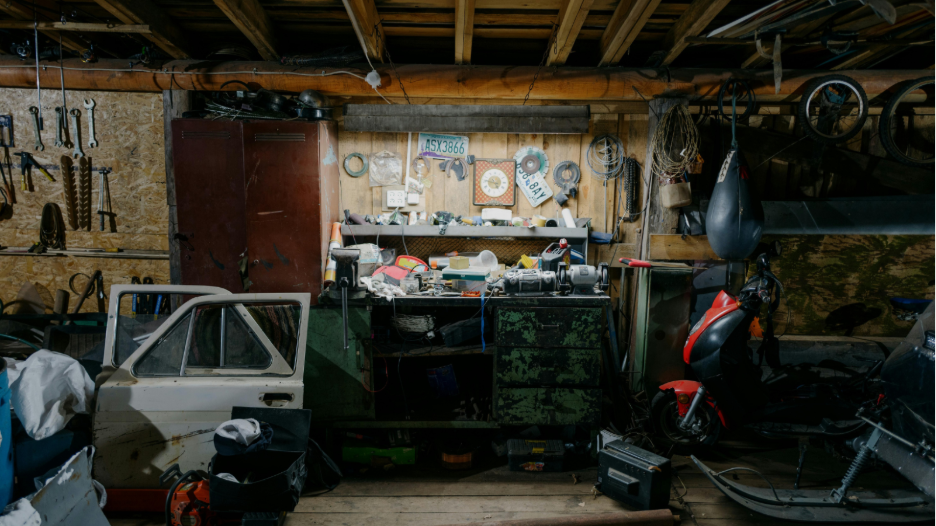
A cluttered, rustic workshop or garage interior with wooden walls and ceiling, featuring a workbench covered in tools and equipment, hanging wrenches, a red door, a red and black scooter, and various automotive parts scattered around the space.
4. Store Fuel and Flammable Materials Safely
Gasoline, diesel, propane, oils, chemicals, and other combustible materials are common on agricultural properties—but improper storage can make a fire significantly more dangerous.
Store these materials in approved containers and designated areas away from potential ignition sources. Clearly label storage areas and make sure employees and family members understand the hazards.
Propane and other specialized fuel systems should also be installed and maintained according to applicable requirements and serviced by qualified professionals.
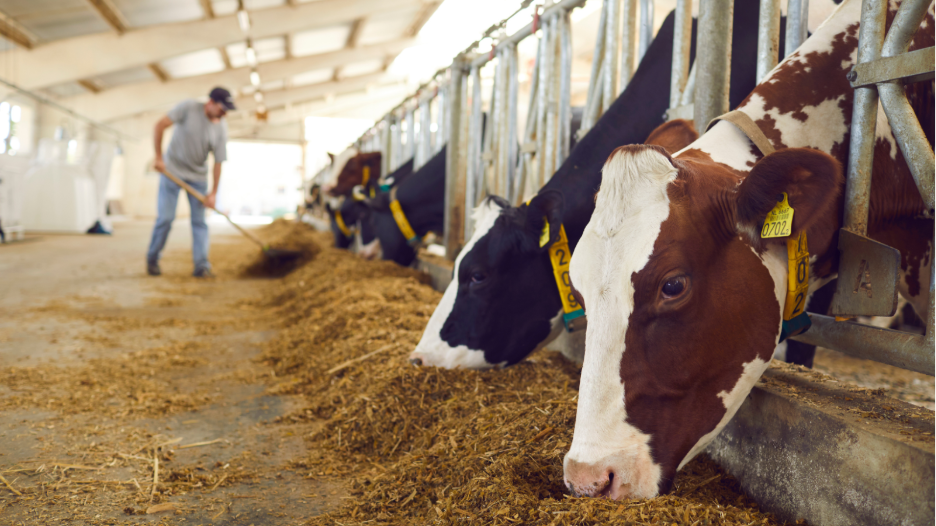
Brown and white dairy cows eating hay from metal stalls in a barn, with a farmer raking straw in the background.
5. Protect Barns, Shops, and Livestock Facilities
Barns and shops can contain some of a farm's most valuable—and combustible—assets, including livestock, feed, hay, machinery, tools, and supplies.
[STATISTIC] Historical NFPA research estimated an average of 830 barn structure fires annually, causing approximately $28 million in property damage per year. Heating equipment was involved in nearly one-quarter of these fires, while electrical distribution and lighting equipment accounted for another 15%.
Keep exits clear, maintain electrical systems, reduce combustible buildup, and establish an emergency plan.
Everyone working on the farm should know where extinguishers are located, how to call 911, evacuation routes, meeting locations, and what to do with livestock when evacuation can be performed safely.
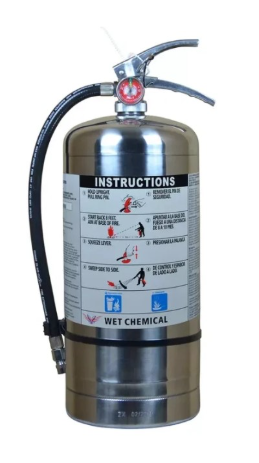
[Product link] Victory 6L Class K Wet Chemical Fire Extingui | Victory Fire Safety
[CTA] Own a Farmhouse Kitchen? Shop Class K Wet Chemical Fire Extinguishers
A fire emergency isn't the time to figure out your plan.

A smiling man in a dark blue work shirt and cap stands in front of a white service van with large 'HEDRICK FIRE PROTECTION' branding and a red-and-blue logo.
Schedule today: Hedrick Fire Protection Idaho
6. Schedule Regular Fire Protection Inspections
A fire extinguisher can only help if it's ready when you need it. Routine inspections and required servicing can identify extinguishers that are damaged, discharged, obstructed, improperly located, or otherwise in need of attention.
At Hedrick Fire Protection Idaho, we provide professional fire extinguisher services for businesses and agricultural operations throughout Eastern Idaho. Our team can help keep your extinguishers inspected, maintained, and ready for an emergency.
CTA: Schedule Fire Extinguisher Service Today Services - Hedrick Fire Protection Idaho
Protect Your Farm Before an Emergency Happens
Your farm represents years of work, investment, and dedication. Preventive maintenance, proper fire extinguishers, safer fuel storage, equipment inspections, and an emergency plan can all help reduce your risk.
Don't wait until a fire exposes a gap in your protection.
Need fire extinguisher inspections or service for your Idaho farm? Contact Hedrick Fire Protection Idaho today to help make sure your property is prepared.
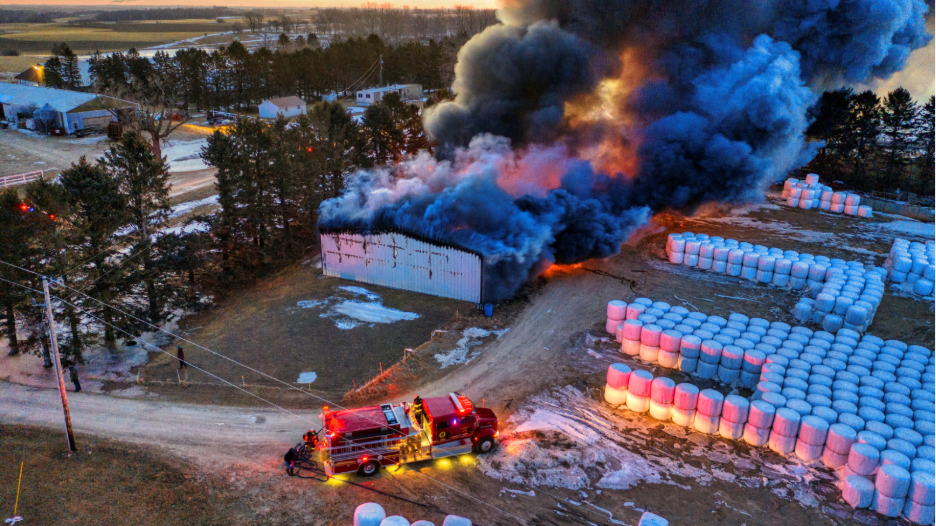
An aerial view of a burning warehouse with a fire truck on the dirt road below, surrounded by large stacks of white hay bales and a large plume of dark smoke against a sunset sky.
One-sentence summary: Learn how Idaho farmers can reduce fire risks and protect their equipment, buildings, livestock, and livelihood through proper fire extinguisher maintenance, equipment inspections, safer storage, and emergency planning.